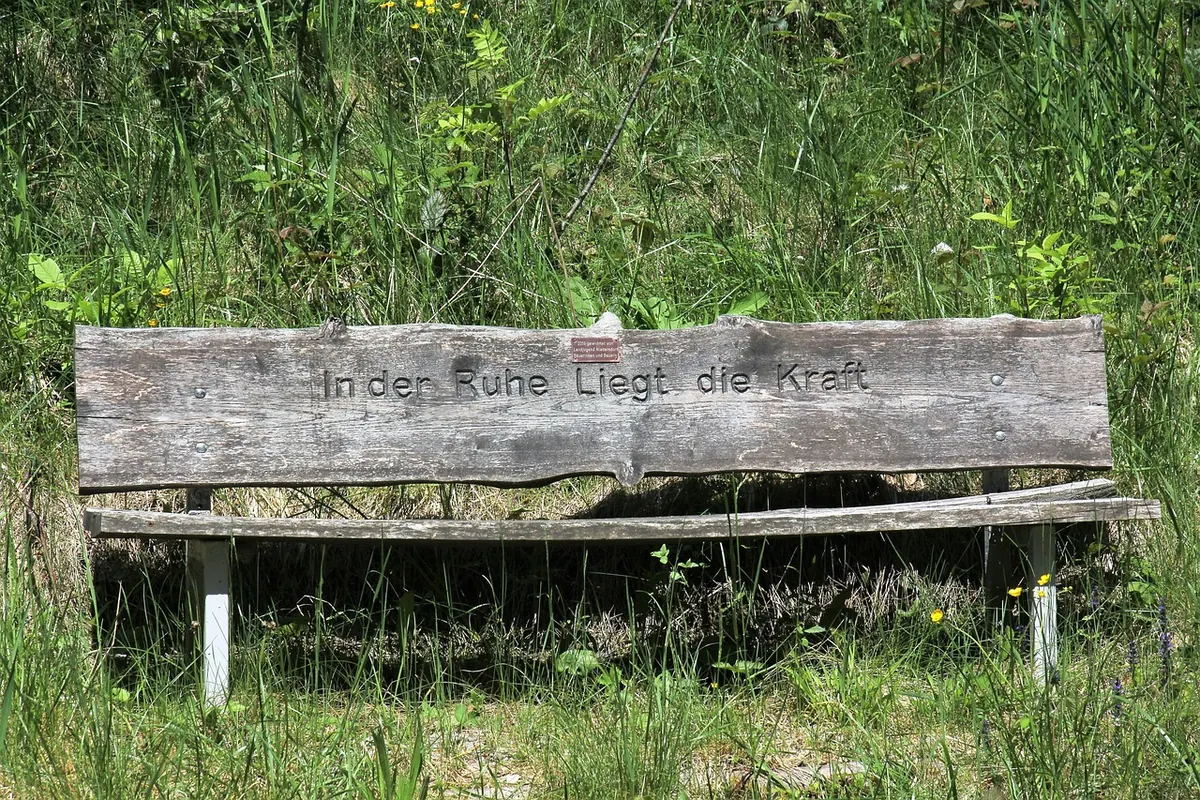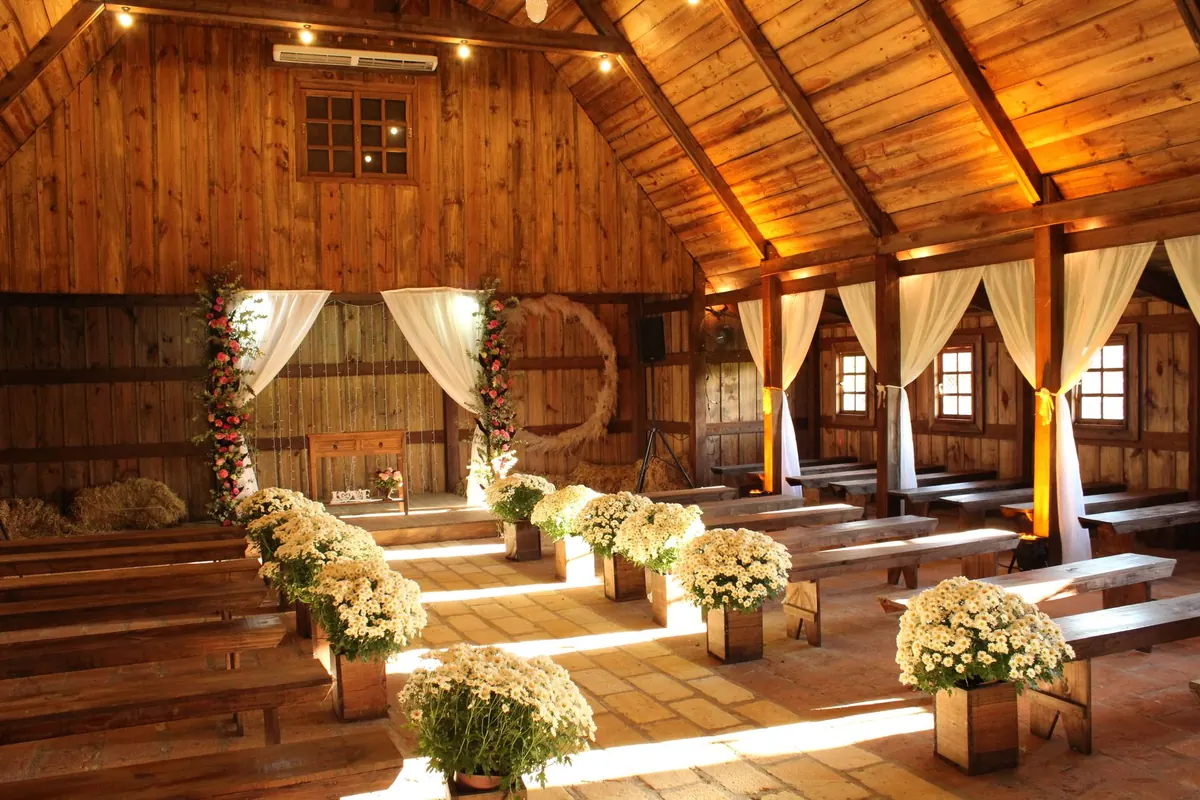
A chunky rustic bench is one of the easiest pieces of wooden furniture to live with, and one of the easiest to get wrong. In a modern room it can look deliberate, warm and quietly useful, or it can sit there like a delivery nobody has unpacked yet. The bench is rarely the problem. Placement, proportion and restraint do the work, and all three are things you can change this afternoon.
Start with the room, not the bench
Before you move anything, work out what a bench would actually do in that spot. Is it seating, a place to drop bags, somewhere to stack books, or simply something to anchor a bare wall? A bench with no job becomes clutter, however handsome it is.
Then check proportions. Long, low rooms suit long, low benches. A tall, narrow hallway can take a taller bench with a slim profile, but a deep, heavy slab across a narrow corridor will feel like a roadblock. Measure the length you have, then allow roughly a hand's width at each end so the piece can breathe. If you are unsure, mark the footprint on the floor with masking tape and walk past it for a day before committing.
Let the contrast do the work
Rustic wood is visually heavy. Modern interiors tend to be light: pale walls, smooth floors, slim legs, plain textiles. That mismatch is an asset, as long as it looks intentional. The way to make it look intentional is to limit how many strong textures share the same view.
One rustic element per sightline is usually enough. Pair the bench with smooth plaster, glass, a wool rug or a flat painted wall and it reads as a considered feature. Surround it with rattan, hessian, reclaimed shelving and distressed metal and the room starts to look like a themed pub rather than a home.
Resist the urge to modernise the bench by sanding every mark out of it. The grain, the knots and the uneven edges are what make it worth having. If you want a smooth finish, a plain bench would have done the job more cheaply.
Where a rustic bench earns its place
- In the hallway: beneath a round mirror, with a shallow tray for keys and a single cushion at one end.
- At the foot of the bed: somewhere to sit while pulling on shoes, and a home for a folded throw. Keep the bedding plain so the wood stays the loudest thing in the room.
- Along one side of a dining table: benches sit comfortably beside slim chairs, and they tuck away neatly when you need the floor back.
- Under a window: ideal for books, a plant and a bit of daylight falling across the grain.
- Between kitchen and living space: an open-plan divider that is useful rather than solid.
Style the top with restraint
Think of the seat as a shelf that happens to be at knee height. Three objects is a sensible ceiling; five is a jumble. A formula that works almost anywhere is one soft texture, one living thing and one useful thing: a linen cushion, a small potted plant, a tray holding keys or a couple of paperbacks.
Cushions are where rustic benches most often go wrong. Choose plain wool, linen or bouclé in a colour already present elsewhere in the room, such as charcoal, rust or olive. Patchwork covers, tapestry prints and fringed hessian pull the whole scheme backwards. One or two cushions is plenty, placed at one end rather than spaced evenly like a train carriage.
Leave some bare wood showing. A bench that is completely covered might as well be an upholstered ottoman, and you lose the reason you bought it.
Colour, finish and light
Honey-coloured oak sits happily against cool greys, off-whites and pale greens. Reclaimed pine with an orange or red cast can look brash against cream and yellow, so try muted, cooler tones instead: soft grey-green, clay, chalky off-white. Where you want the bench to melt into the background, paint the wall behind it a shade close to the wood. Where you want it to stand out, keep everything around it quiet.
Lighting matters more than most people expect. A strong downlight directly above a bench exaggerates every split and knot, which is either exactly what you want or exactly what you don't. If the grain feels too busy, move the light to the side with a floor lamp or wall light and let the texture fall into softer shadow.
Living with it
Rustic timber is normally finished with oil or wax rather than a hard lacquer, so treat it gently. Dust with a dry or barely damp cloth, wipe spills promptly and avoid soaking the surface. If the wood starts to look dry and pale in patches, a light re-oil or re-wax will bring it back, but test on a hidden area first.
Felt pads under the legs protect a wooden floor, and a small wedge under one corner solves most wobbles. For anything structural, such as a split or a loose joint, it is worth asking a furniture restorer rather than reaching for glue.
Give it a week, then take something away
Arrange the bench, then live with it for seven days before deciding anything. You will quickly notice which objects you actually move to reach something else, and those are the ones in the wrong place. At the end of the week, take one thing off. Then step back from the doorway and look again. Almost every good rustic bench in a modern room holds a little less than you first thought it should, and looks better for it.
Photo: Joel Paim / Pexels